

New Federal Reporting Rule Every Florida Cash Buyer Should Know About
Steve Walter | Walter Group
If you’re buying a Sarasota or Gulf Coast home with cash through an LLC, partnership, corporation, or trust, a new federal rule will now put that transaction on FinCEN’s radar. This will not stop you from buying, but it will change what gets reported and who has to be disclosed behind the scenes.
What Changed on March 1, 2026?
Beginning March 1, 2026, the Financial Crimes Enforcement Network (FinCEN), a bureau of the U.S. Treasury, requires certain “non-financed” residential real estate deals to be reported to the federal government. The rule is issued under the Bank Secrecy Act (31 U.S.C. § 5311 et seq.) and is codified at 31 CFR § 1031.320, titled “Reports of residential real property transfers.”
In plain terms, a report is required when all of the following are true:
- The property is residential real property in the United States (1–4 units, or land intended for 1–4 units, plus condos and co-ops).
- The buyer is a legal entity or trust (for example, an LLC, corporation, partnership, or family trust).
- The transaction is non-financed (no loan from a traditional, regulated bank; many cash and private lender deals are included).
The full text of the regulation is available in the Electronic Code of Federal Regulations at 31 CFR § 1031.320. FinCEN’s dedicated reference page for this rule, including the final rule, FAQs, and forms, is hosted at https://www.fincen.gov/rre
What Counts as “Residential Real Property”?
FinCEN’s rule focuses on typical home and small-scale investment purchases, not large commercial towers. Covered “residential real property” includes:
- Single-family homes, townhomes, and villas.
- Condominiums and cooperative units, including in larger buildings.
- Buildings designed for occupancy by one to four families (including many mixed-use buildings with residential units).
- Vacant or unimproved land where the buyer intends to build 1–4 family housing.
The rule applies nationwide with no minimum price threshold, so both a modest investment property and an eight-figure waterfront estate can be reportable if the other criteria are met.
Who Has to Report – And What Gets Filed?
Real estate closing documents on table with pen and keys.
The obligation to file falls on certain real estate professionals involved in the closing, not on you personally as the buyer. FinCEN calls these businesses “reporting persons,” generally title/closing companies, settlement agents, or other professionals providing closing and settlement services.
These professionals must file an electronic “Real Estate Report” with FinCEN that typically includes:
- Property details and closing date.
- Information about the seller.
- Information about the buying entity or trust and the total consideration paid.
- How the purchase was funded (cash, private lender, seller carryback, etc.).
- Identifying information on beneficial owners of the buyer and key individuals involved in the transfer.
The beneficial ownership standard aligns with FinCEN’s broader Corporate Transparency Act framework: a beneficial owner is generally any individual who exercises substantial control over the entity or owns or controls at least 25% of its ownership interests. FinCEN’s beneficial ownership information (BOI) resources are available at https://www.fincen.gov/boi
Are There Any Exceptions?
Yes. While there is no dollar amount exemption, certain types of transfers are carved out. Examples of transfers that may be excluded under the final rule include:
- Transfers arising out of death, inheritance, or certain estate planning moves.
- Transfers due to divorce, bankruptcy, or court orders.
- Some like-kind exchanges involving a qualified intermediary under Section 1031.
- Transactions where no “reporting person” (as defined in the rule) is involved in providing closing or settlement services.
Also important for many of our buyers: if you purchase a home in your individual name and/or you obtain a traditional mortgage from a regulated financial institution, this particular reporting rule generally does not apply, because your lender’s existing anti-money laundering and “Know Your Customer” obligations already capture that information.
What This Means for Buyers, Sellers, and Investors on the Gulf Coast
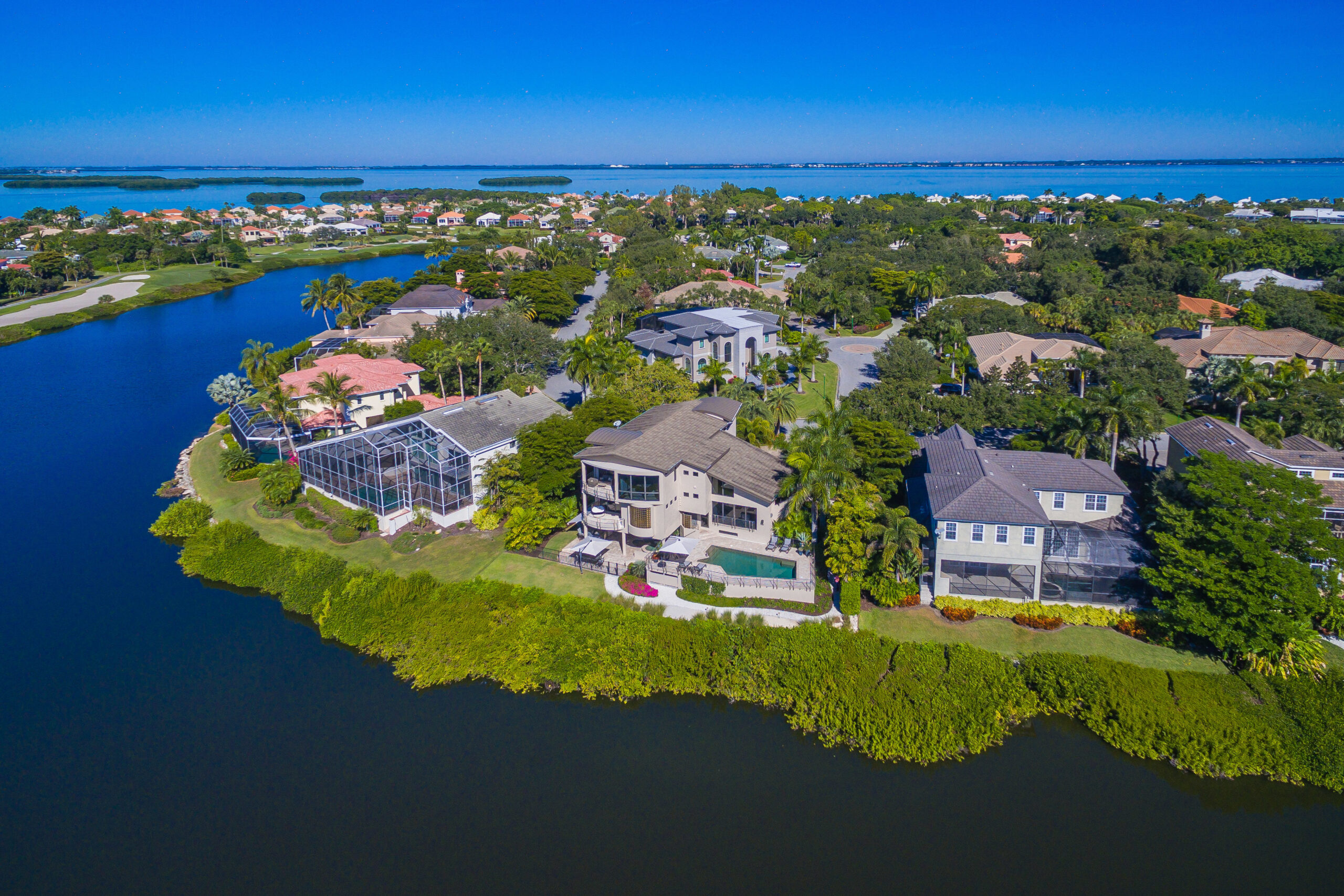
For our Sarasota, Longboat Key, and Gulf Coast clientele, cash purchases through LLCs and trusts are common tools for privacy, asset protection, and estate planning. The new FinCEN rule does not prohibit that structure, but it does make those non-financed transactions more transparent to the federal government.
If you plan to acquire residential property through an entity or trust without a bank loan, you should be prepared for:
- Additional questions and documentation requests from the title or closing company.
- Disclosure of beneficial owners and controlling individuals behind your entity or trust.
- Tight timelines: reporting professionals generally must file within 30 days of closing or by the last day of the month following the month of closing, whichever is later.
From a practical standpoint, the best move is to involve your real estate advisor, legal counsel, and closing team early. That way, your LLC or trust documents, ownership structure, and identification materials are in order well before you sign.
If you are considering a cash purchase through an entity or trust in Sarasota or along Florida’s Gulf Coast and want to understand how this rule may apply to your specific situation, the Walter Group is happy to coordinate with your legal and tax advisors as you plan your next move.

By Janet and Steve Walter
Longboat Key Luxury Real Estate Specialists
Walter Group Real Estate | WalterGroupRealEstate.com